THE STARTING POINT
An event carry bag, a daily tote, and a premium welcome-kit bag have different requirements. Consider carrying weight, feel, durability, dimensions, and how often the recipient is likely to use the item.
Start With the Intended Use
An event carry bag, a daily tote, and a premium welcome-kit bag have different requirements. Consider carrying weight, feel, durability, dimensions, and how often the recipient is likely to use the item.
Review the Actual Composition
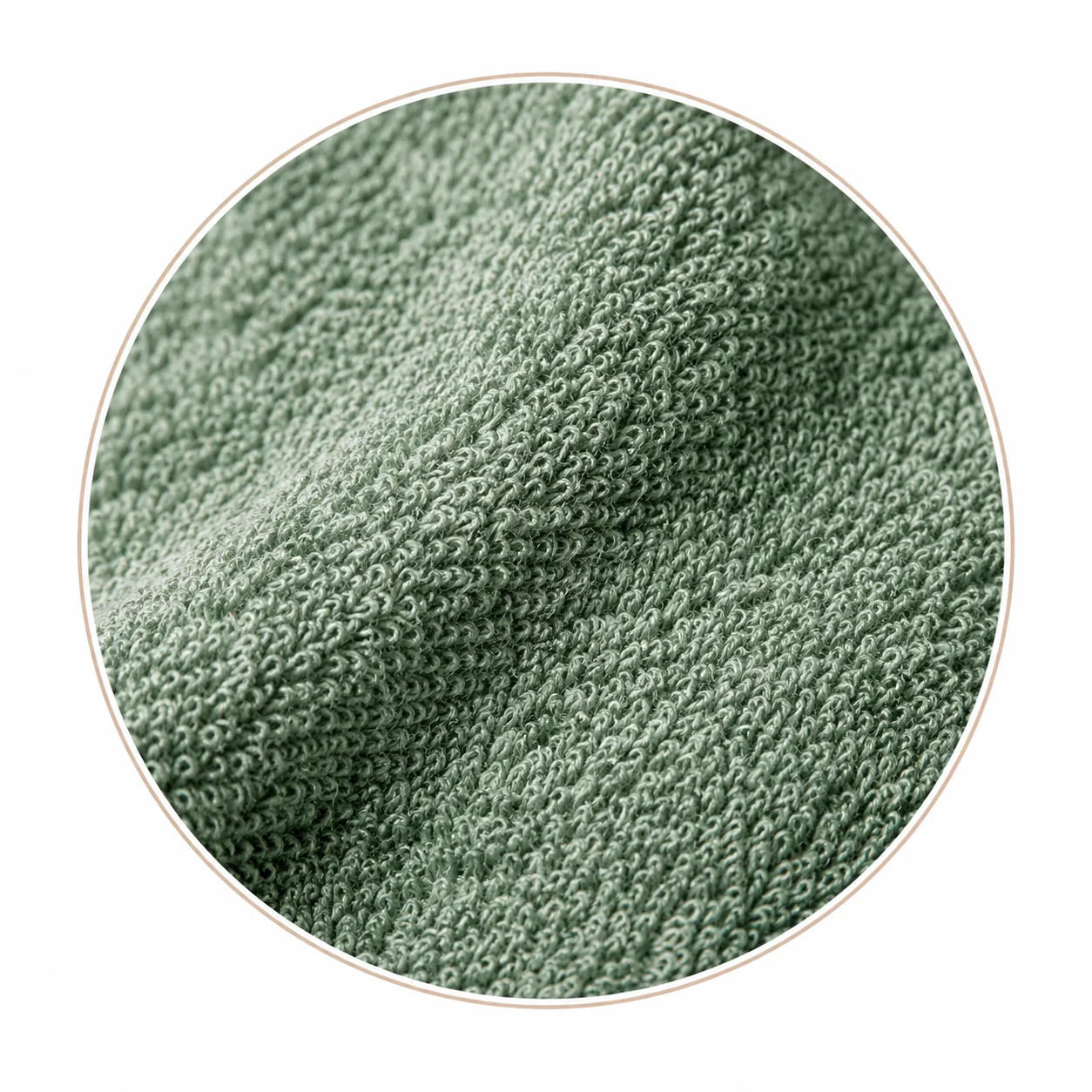
A material label alone does not describe a finished bag. Ask about fiber composition, weight, construction, handles, and any lining or coating. Recycled-content options should be reviewed with the information available for the selected product.
Check the Branding Route
Different fabrics and surfaces can respond differently to printing or embroidery. Review the artwork size, color coverage, finish, and sample route before choosing a material only for its appearance.
Match Documentation to the Claim
If your program requires a specific standard or material declaration, make that part of the brief. Evidence needs to match the product, supplier, and stated scope rather than a general category image.
Compare the Whole Direction
Assess the material together with packaging, quantity, delivery, cost, and useful life. The most workable choice is the one that fits the complete project requirements.
What to Share in Your Brief
- Business goal and recipient type
- Estimated quantity and budget
- Needed-by date and delivery locations
- Branding, packaging, and evidence priorities