Material Composition
What the product is actually made from — recycled stainless steel, recycled PET, organic cotton, FSC-certified paper or wood, bamboo, cork, or other applicable materials.
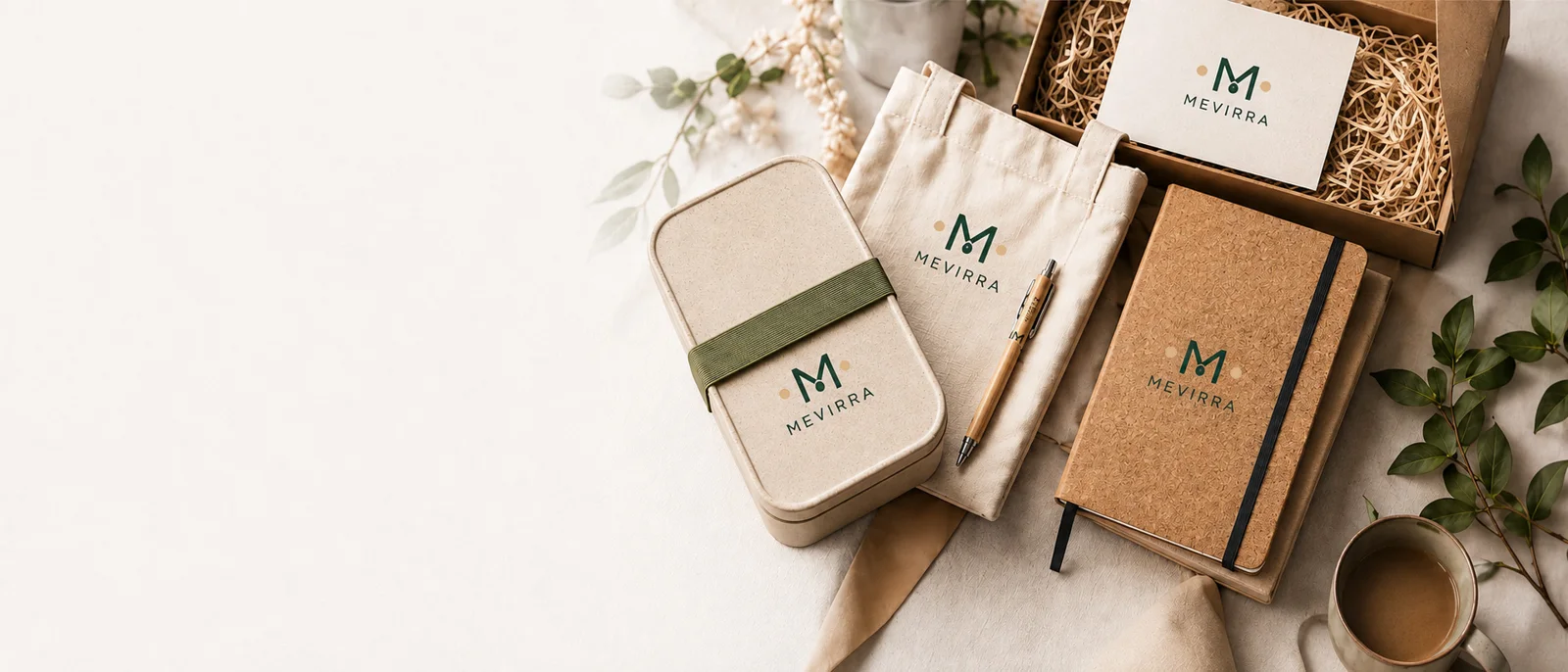
RESPONSIBLE BRANDED MERCHANDISE FOR B2B PROJECTS
MEVIRRA helps companies and agencies source and configure branded merchandise with more responsible material and packaging options. We review the project by product, supplier, quantity, destination, customization, and evidence requirements — so sustainability claims stay practical, specific, and verifiable.
For company, team, agency, and organization projects — not consumer retail.
SUSTAINABILITY, SPECIFIED
A responsible merchandise choice is rarely defined by one label. We look at the product, evidence, packaging, production route, and expected use together.
What the product is actually made from — recycled stainless steel, recycled PET, organic cotton, FSC-certified paper or wood, bamboo, cork, or other applicable materials.
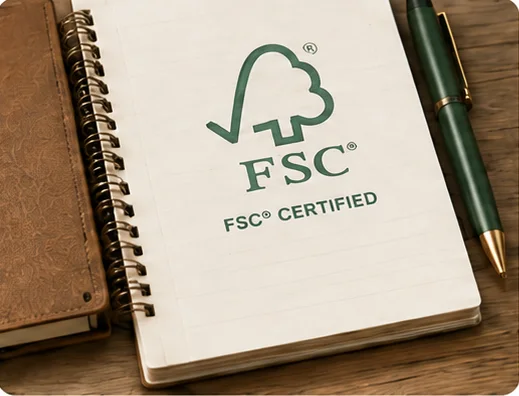
Which certificate or standard applies to the exact SKU, supplier, material, or batch — and whether documentation can be provided.
Whether the product is useful enough to be kept and used, rather than selected only because it carries a green label.
How packaging can be right-sized, plastic-reduced, recyclable, reusable, or simplified while still protecting the product and brand presentation.
What supplier, material, testing, compliance, packaging, and approval information is relevant to the project and available for review.
CLAIMS WITH CONTEXT
Clear sustainability language protects your brand as much as ours. We prefer specific, evidence-based statements over broad environmental promises.
START WITH THE REQUIREMENTS
Share the project basics and the evidence priorities that matter to your team. We’ll help identify the most workable product and packaging route.
MATERIAL OPTIONS IN CONTEXT
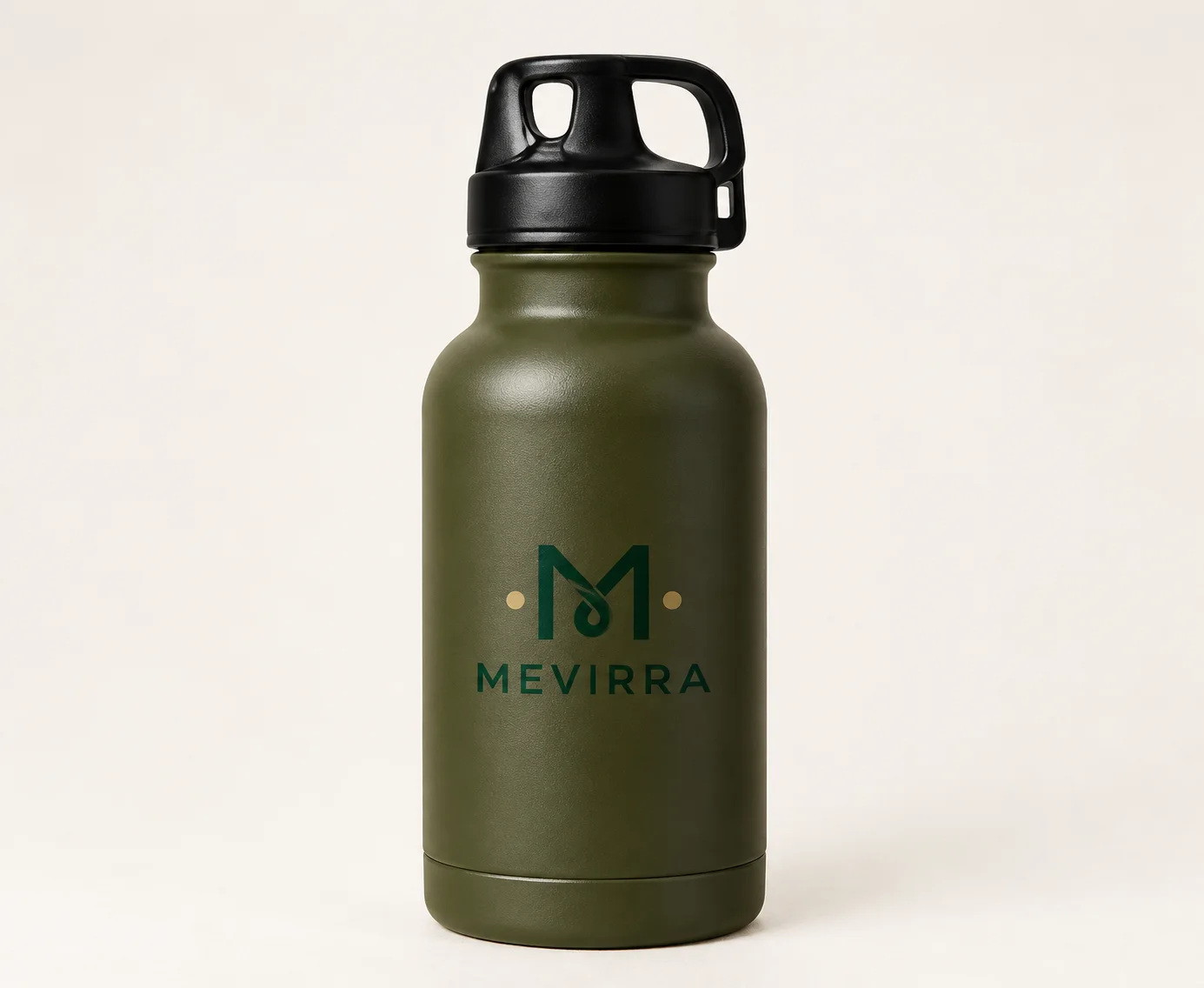
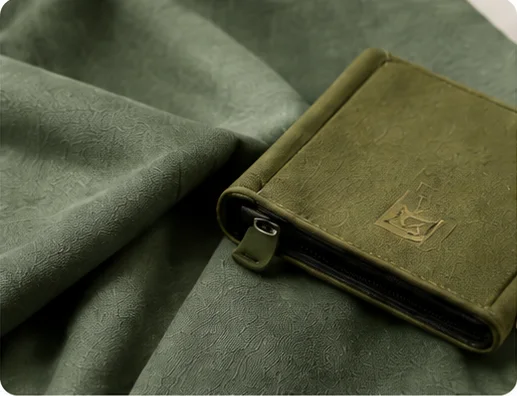
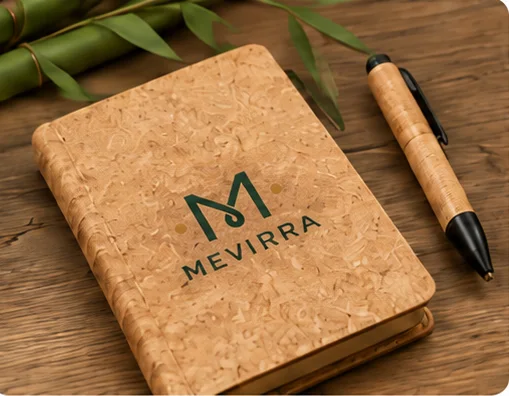
No material is automatically the best choice for every project. We compare durability, branding compatibility, packaging, documentation, cost, and destination requirements.

PACKAGING AS A PROJECT DECISION
Packaging decisions affect material use, product protection, shipping volume, presentation, and cost. We review the system as a whole rather than treating “eco packaging” as one material choice.
Reduce unnecessary space and filler while protecting the merchandise and maintaining a professional presentation.
Review where plastic sleeves, trays, or wraps can be removed or replaced without increasing damage risk.
Use recyclable or FSC-paper components where suitable and available.
Consider pouches, boxes, or containers that have a useful second life where the project justifies the added material.
Balance inks, coatings, finishes, labels, adhesives, and decorative layers with recyclability and brand requirements.
Consider packing density, weight, breakage risk, and destination when selecting presentation formats.
RESPONSIBILITY BEYOND THE MATERIAL
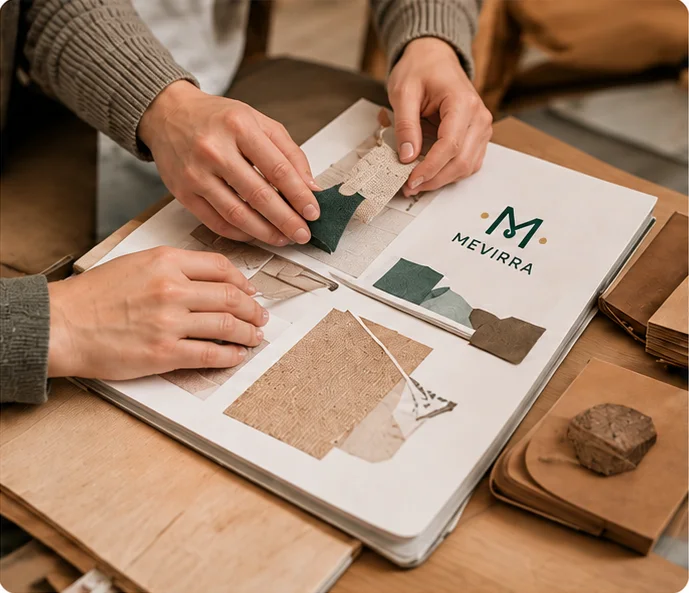
Responsible sourcing also depends on supplier fit, specification control, approvals, production checks, and accurate documentation.
Review the supplier’s capability for the product, customization method, quantity, timeline, documentation, and destination requirements.
Define the agreed material, size, color, branding, packaging, and document requirements before production.
Use the appropriate digital mockup, sample, or pre-production approval route for the project.
Check production against the approved specification and project requirements.
Review product, decoration, packaging, count, and presentation before dispatch where the project scope requires it.
Confirm that the material / certification / compliance information presented to the client matches the selected product and supplier configuration.
PROJECT-SPECIFIC DOCUMENTATION
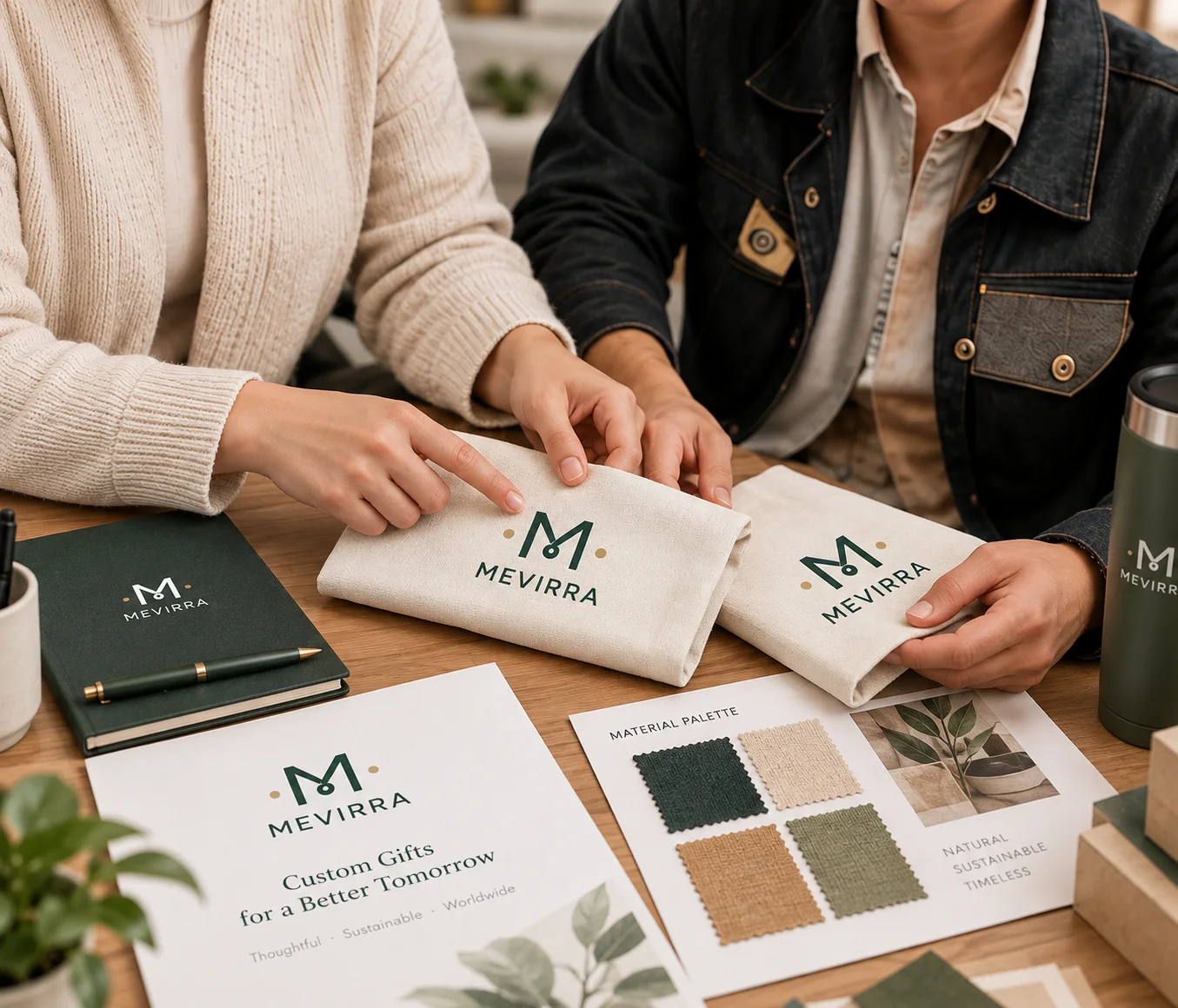
The documents available for a project depend on the selected SKU, material, supplier, test scope, and destination. We provide what is applicable — not a one-size-fits-all certificate pack.
Material composition, recycled-content statements, fiber information, or supplier declarations where available.
FSC, GRS, GOTS, RCS, OEKO-TEX, or other relevant records only when the selected product / supplier is actually covered.
Applicable product testing or compliance records based on product category and destination requirements.
Packaging material, construction, dimensions, labeling, and reduction choices where relevant.
Approved artwork, sample, material / color reference, packaging direction, and key project specifications.
Project-specific inspection, count, packing, or quality documentation where included in the project scope.
PLAN THE WHOLE PROJECT
Project size varies by product and customization route. Share the recipient / unit count so we can recommend realistic material and packaging options.
Minimums vary by product, supplier, material, branding method, and packaging configuration. A more responsible option may have a different MOQ than the standard route.
Certified materials, custom colors, special packaging, sampling, or documentation requests may affect lead time. Fixed dates should be shared from the start.
Responsible material or documentation requirements can affect unit cost, tooling, sampling, or packaging. We compare the most workable route for the available budget.
Branding methods are selected with the material and product construction in mind so decoration quality and durability remain appropriate.
Evidence availability varies by product, supplier, material, and destination. We confirm what can be supplied before making the claim.
Product weight, packaging volume, breakage risk, batteries / liquids, and destination can influence the most responsible and practical shipping route.
One project partner coordinates product selection, supplier communication, branding, packaging, evidence, quality checks, and delivery planning.
PROGRESS OVER PERFECTION
The most responsible route is not always the one with the strongest label. We make the trade-offs visible so your team can choose what matters most for the project.
CONCEPT PROJECT BLUEPRINT
CONCEPT EXAMPLE — FOR ILLUSTRATION
PROOF BEFORE PROMISES
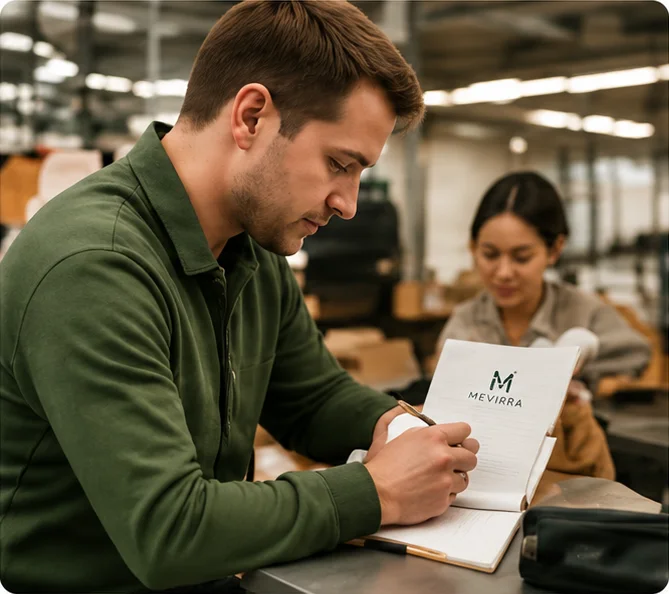
As a growing B2B partner, we build trust through project transparency, documented choices, clear approvals, and evidence that matches the selected product.
Show actual product, fabric, paper, coating, or packaging samples where available.
Show print, laser, deboss, embroidery, color, and packaging examples that demonstrate execution quality.
Use clear product, branding, packaging, quantity, and approval records rather than relying on broad quality statements.
Show real inspection / packing / approval practices where they are part of the operating process.
Provide applicable material, certification, testing, or supplier information without implying universal coverage.
Use real company details, team, work email, phone, privacy / terms, and clear response expectations.
PRACTICAL ANSWERS
No. Sustainability depends on the specific product, material, supplier, packaging, and project configuration. We communicate the evidence that applies to the selected option rather than applying one claim across the entire range.
Depending on the product and supplier, relevant records may include FSC, GRS, GOTS, RCS, OEKO-TEX, or other applicable documentation. Availability must be confirmed for the selected SKU / supplier before the claim is used.
They can. MOQ varies by product, supplier, material, color, branding method, and packaging route. We compare the most workable option for your target quantity.
Sometimes. Material specification, certification, supplier route, packaging, sampling, and order quantity can affect cost. We can compare trade-offs against your target budget.
They can, especially when the project requires special materials, custom development, certification verification, samples, or custom packaging. Share the needed-by date early so feasibility can be reviewed.
Available testing and compliance documentation depends on the product category, supplier, selected configuration, and destination market. We review the relevant requirements by project.
Often, yes. We can review plastic sleeves, trays, wraps, inserts, fillers, and outer packaging to identify reduction or replacement opportunities without compromising product protection.
International and multi-location delivery can be reviewed based on product type, quantity, packaging, destination, timing, and shipment model.
PLAN A RESPONSIBLE MERCHANDISE PROJECT
Share the project goal, quantity, timing, destination, budget, and sustainability priorities. We’ll recommend a practical product and packaging direction, then confirm the evidence available for the selected route.
Share the project goal, quantity, timing, destination, budget, and sustainability priorities. We’ll recommend a practical product and packaging direction, then confirm the evidence available for the selected route.
BRING US THE REQUIREMENTS
Tell us what the program needs to achieve, who it is for, the quantity, the delivery date, and the evidence your team needs. We’ll help shape a merchandise direction that balances sustainability, brand experience, feasibility, cost, and delivery.
Start with the goal, audience, quantity, timing, and destination. We can help refine the products.